
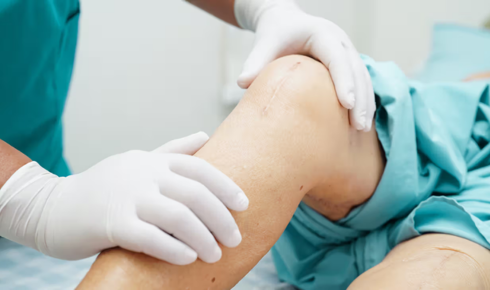
Knee pain is a common problem that affects people of all ages today. It can be caused by aging, arthritis, old injuries, obesity, or long-term strain on the joint. For many people, knee pain slowly reduces their ability to walk, climb stairs, sit comfortably, and live an active life. When medicines, injections, and physiotherapy do not give lasting relief, knee replacement surgery becomes an effective and long-term treatment option.
Knee replacement surgery is a medical procedure in which the damaged parts of the knee joint are removed and replaced with artificial parts made of metal and medical-grade plastic. These artificial parts help the knee move smoothly again and reduce pain significantly. The main goal of the surgery is to restore movement, improve stability, and allow the patient to return to normal daily activities.
Who Needs Knee Replacement Surgery?
Not everyone with knee pain needs surgery. Doctors usually recommend knee replacement when:
- Pain continues even while resting
- Walking becomes difficult
- Stairs are hard to climb
- The knee becomes stiff or deformed
- Daily activities are affected
- Arthritis has reached an advanced stage
If these problems continue for a long time and do not improve with treatment, surgery becomes the best solution.
Types of Knee Replacement Surgery
There are different types of knee replacement surgery depending on the condition of the knee:
Total Knee Replacement:
In this procedure, the entire knee joint is replaced. It is commonly done in patients with severe arthritis.
Partial Knee Replacement :
Only the damaged part of the knee is replaced. The healthy part of the joint is kept safe.
Bilateral Knee Replacement:
Both knees are replaced in one surgery when both joints are badly damaged.
Minimally Invasive Knee Replacement:
This uses smaller cuts, causes less pain, and allows faster recovery.
Revision Knee Replacement:
This is done when an old knee implant becomes loose or wears out and needs to be replaced.
Conditions That Lead to Knee Replacement
Knee replacement is commonly needed due to:
- Osteoarthritis
- Rheumatoid arthritis
- Knee injuries
- Joint deformities
- Post-traumatic arthritis
- Avascular necrosis
All these conditions slowly damage the knee joint and reduce normal movement.
How to Prepare for Knee Replacement Surgery
Before surgery, doctors usually advise:
- A complete medical check-up
- X-rays or scans of the knee
- Blood tests and heart fitness checks
- Reviewing regular medications
- Stopping smoking
- Starting simple strengthening exercises
These steps help reduce risks and improve recovery.
How the Surgery is Performed
- The patient is given anesthesia
- The damaged bone and cartilage are removed
- The artificial knee joint is fixed in place
- Movement is checked
- The wound is closed and bandaged
The surgery usually takes one to two hours.
Recovery After Knee Replacement Surgery
Recovery is a very important part of success. It includes:
- Physiotherapy starting within 24 hours
- Pain control with medicines
- Gradual walking with support
- Regular exercise to improve strength
- Follow-up visits with the doctor
Most patients return to normal activities within a few weeks.
Cost Factors
The cost of knee replacement depends on:
- Type of implant used
- Hospital stay
- Surgery technique
- Physiotherapy sessions
- Insurance coverage
Conclusion
For people looking for safe and reliable Knee Replacement Surgery in Bangalore, choosing the right medical team, modern technology, and proper rehabilitation is essential for long-term success. With expert care and patient-focused treatment, DHEE Hospitals plays a key role in helping patients walk confidently again and return to a pain-free life.