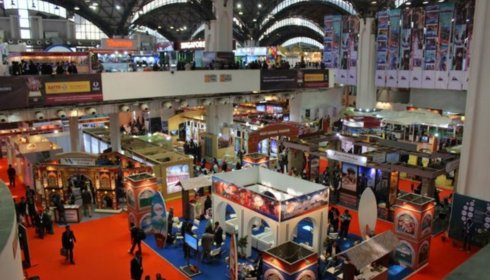
Personalization was picked up as a major future theme for travel design at SATTE 2026. At one of the top Travel Trade Shows In India, the industry talk was that personalization is no longer just a nice-to-have. It is a strategic need. Travel experience designers are now expected to deliver individually tailored journeys that can also be efficiently scaled.
Technology as a Facilitator, Not a Substitute
The major lesson was the increased utilization of AI and tightly integrated data systems for the empowerment of personalized experiences at a meaningful level. Designers have more access to traveller information, behavioural patterns, and preference signals, which they utilize to create adaptable itineraries. The platforms exhibited at the Travel Fair India indicated how features like live updates, localized suggestions, and responsive content could heighten the overall experience while the complexity for operators remains unchanged. The emphasis is on smart technology that helps designers, rather than replacing them.
Going Deep Beyond Preferences
Changing towards identity-based travel design was another major insight. The modern traveler wants experiences that resonate with their values, interests, and the person they want to become. So, whether it is travel for wellness, getting to know the local culture, or journeys driven by a specific purpose, personalization always involves reflecting the inner motivations. The talks at this major Travel Expo India were a clear indication that knowing the customer’s purpose is far more effective than just giving a choice of several destinations.
Developing Proper Infrastructure
The capability of personalization at scale resides in a robust data backbone. Single customer view, privacy-compliant analytics, and digitally integrated platforms are the indispensable basics. In their absence, personalization remains a disjointed effort.
SATTE 2026 highlighted that personalization at scale is not about offering more choices. It is about delivering relevant, timely, and meaningful experiences through thoughtful design and intelligent systems.