From the journal · 24 November 2026
A Simple Guide to Better Water: Softening, Filtration, and Cleaner Drinking Water
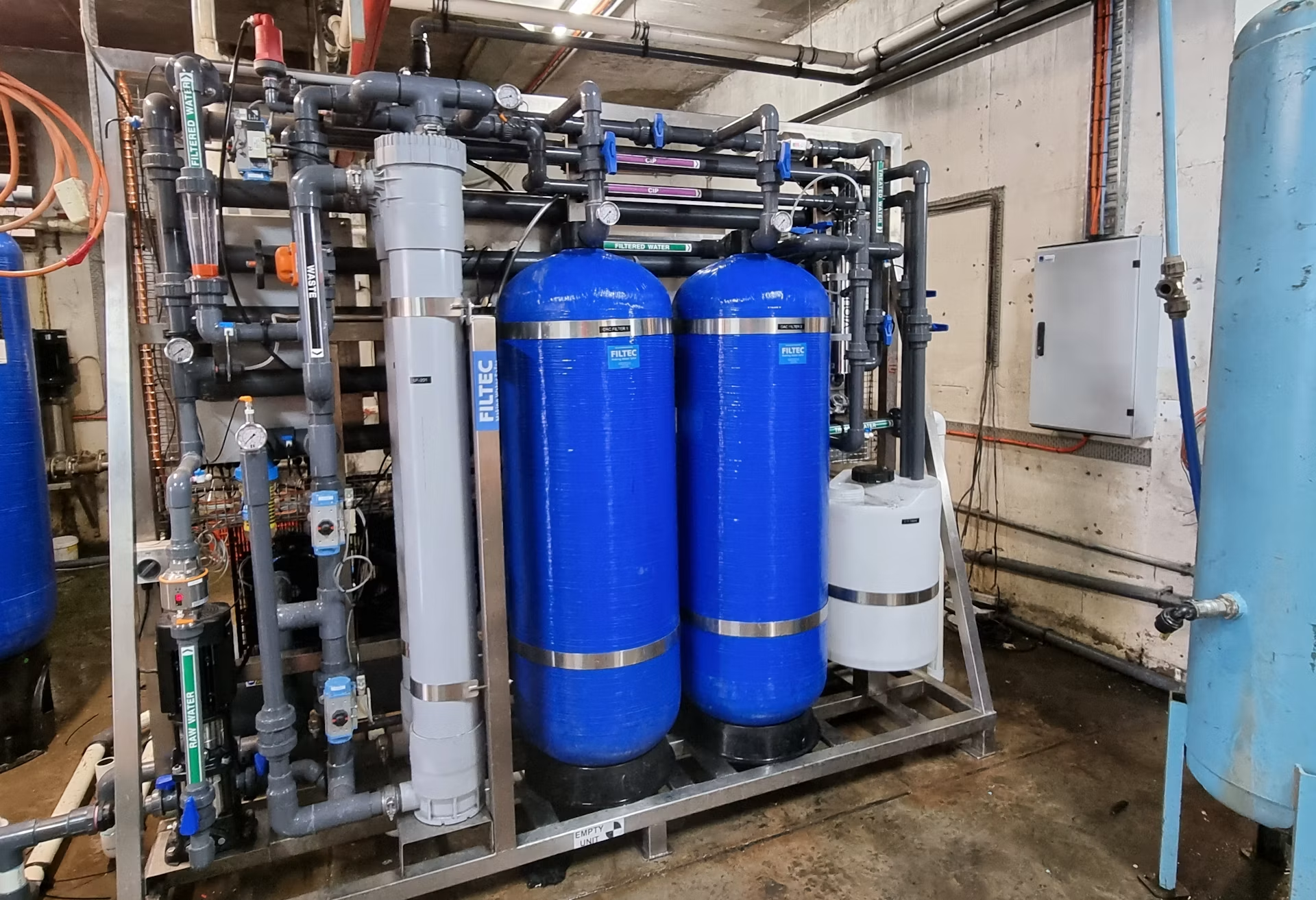
Water quality has a way of influencing daily life without us even noticing. You might spend extra time scrubbing white stains from your bathroom faucets, replace a showerhead sooner than expected, or wonder why your drinking water tastes slightly different. These little things can become part of the routine, but they often point toward water quality issues that deserve attention.
For many homeowners, improving water isn’t about making dramatic changes. It’s about enjoying cleaner water, protecting household appliances, and making everyday chores a little less frustrating. With the right equipment, some of these problems can be addressed before they become bigger maintenance concerns.
Understanding the Difference Between Hard Water and Poor Water Quality
Hard water is one of the most common household water concerns. It contains minerals, primarily calcium and magnesium, which can leave deposits on sinks, shower doors, dishes, and plumbing fixtures. Although these minerals are generally not considered harmful at typical levels, they can create practical problems around the house.
Soap may not lather as easily, laundry can feel stiff, and mineral deposits can accumulate inside water heaters and appliances. Over time, excessive scale buildup may affect equipment efficiency and increase maintenance requirements.
Other water quality concerns are different altogether. Sediment, iron, chlorine taste, unpleasant odors, and certain dissolved contaminants may require specific filtration technologies. That’s why identifying the issue first is so important. A softener isn’t designed to remove every contaminant, and a basic filter won’t necessarily solve hard water problems.
Why Combining Softening and Filtration Can Be Helpful
Some households experience several water issues at once. For example, a family may struggle with mineral buildup throughout the house while also wanting better-tasting water for drinking and cooking. In these situations, home water softening and filtration can offer a practical approach by addressing different water concerns with separate technologies.
Water softeners generally work through ion exchange, replacing hardness minerals such as calcium and magnesium with sodium or potassium ions, depending on the system. This helps reduce scale formation and makes cleaning easier.
Filtration systems, meanwhile, are designed to reduce specific substances depending on their media, construction, and certifications. Sediment filters may capture particles, while carbon filtration is often used to improve taste and odor and reduce certain chemicals.
When both technologies are selected appropriately, homeowners can benefit from softer water for daily household use and filtered water for specific applications. The exact configuration depends on water test results and household needs.
Enjoying Better Drinking Water in the Kitchen
The kitchen is where water quality becomes especially noticeable. It goes into tea, coffee, soups, rice, and countless other meals. Even when water looks clear, its taste can influence the final result. Anyone who has made coffee with water that tastes slightly metallic or chlorine-heavy knows how disappointing it can be.
Reverse osmosis drinking water systems are popular for kitchens because they use a semipermeable membrane to reduce many dissolved substances in water. Depending on the model and its specifications, an RO system may help reduce certain salts, metals, and other contaminants.
These systems are commonly installed beneath kitchen sinks and connected to a dedicated drinking water faucet. Some models also include additional filtration stages, such as carbon filters, to improve taste.
Before choosing reverse osmosis, it’s worth considering water pressure, available space, filter replacement costs, and water usage. RO systems also produce wastewater during operation, so efficiency ratings are another useful factor to compare.
Finding the Right System for Your Entire Home
Not every household needs the same equipment. Some homeowners want to improve water at a single kitchen faucet, while others are dealing with hardness, staining, or sediment throughout the property. System size, daily consumption, plumbing layout, and water source all influence the decision.
Modern residential water filtration systems come in several forms, including countertop filters, under-sink units, whole-house filtration equipment, and specialized treatment systems. A point-of-use system treats water at a specific location, while a whole-house installation treats incoming water before it reaches most plumbing outlets.
Choosing between these options becomes easier when you know which problems you’re trying to solve. Water testing can help identify hardness, iron, pH, and other relevant characteristics, allowing homeowners to avoid spending money on equipment that may not be necessary.
Maintenance Is Part of Getting Good Results
Water treatment equipment requires occasional maintenance to remain effective. Filters need replacing, softeners may require salt, and certain components should be inspected regularly. Waiting until water tastes different or scale begins returning isn’t always the best strategy.
Following manufacturer guidelines and keeping a simple maintenance record can help prevent unexpected problems. It also makes it easier to understand how well the equipment is performing over time.
Making a Better Choice for Your Home
Better water quality can improve more than just the taste of a glass of water. It may reduce cleaning frustrations, help protect appliances from mineral buildup, and make everyday household routines more comfortable.
The best place to start is with a clear understanding of your water and your priorities. Choose treatment equipment that addresses those needs, consider long-term maintenance, and avoid being swayed by features you may never use.
Clean, dependable water is one of those improvements that quietly benefits the entire household. Once your system is working properly, you may not think about it much—and that’s probably a good sign.