From the journal · 25 November 2026
Better Water Begins With Understanding What Your Home Really Needs
Water quality is one of those things that often goes unnoticed until something starts to feel wrong. Maybe the kitchen tap has an unusual taste, the shower leaves white marks on glass, or laundry never seems as fresh as it should. These little issues can become part of everyday life, and most people simply learn to live with them. But they don’t necessarily have to.
Every household has different water requirements. The source, plumbing, mineral content, and local conditions all play a role in how water behaves inside a home. Finding the right solution isn’t about buying the biggest system or following what a neighbor installed. It’s about understanding your water and making a few informed decisions.
Related reading: Fresh Water Straight From the Tap: A Homeowner’s Guide to Reverse Osmosis and Drinking Water Filtration · A Simple Guide to Better Water: Softening, Filtration, and Cleaner Drinking Water
Why Water Quality Deserves More Attention
Water affects almost everything we do at home. We use it for drinking, cooking, bathing, washing clothes, cleaning, and even watering plants. When its quality isn’t ideal, the effects can show up in several different ways.
Hard water is a common example. Minerals such as calcium and magnesium can leave deposits on faucets, showerheads, glassware, and appliances. Some homeowners notice that soap doesn’t lather properly, while others struggle with cloudy dishes or stubborn bathroom stains. Water with excess iron may leave reddish marks, and certain water sources can have unpleasant smells.
These problems aren’t always signs of a serious health concern, but they can affect household comfort and maintenance. That’s where residential water treatment services become helpful. A proper assessment can identify the underlying issue and recommend equipment that addresses it instead of simply masking the symptoms.
Start With a Water Test, Not a Guess
It can be tempting to purchase a filter based on an online recommendation or a product advertisement. However, different filters are designed for different purposes, and using the wrong one may leave the actual problem untouched.
Water testing provides a clearer picture. Depending on the water source, testing may examine hardness, pH, iron, sediment, chlorine, and other relevant contaminants. For homes relying on private wells, testing is especially important because water conditions can change over time.
Some service providers offer free water testing, giving homeowners an opportunity to learn more about their water before investing in treatment equipment. It’s worth asking what the test actually includes, which parameters are measured, and whether additional laboratory testing is recommended for specific contaminants.
A useful test should lead to understandable results, not a confusing sales presentation. Homeowners deserve to know what’s present in their water, why it matters, and what treatment options are available.
Choosing Between Different Water Treatment Options
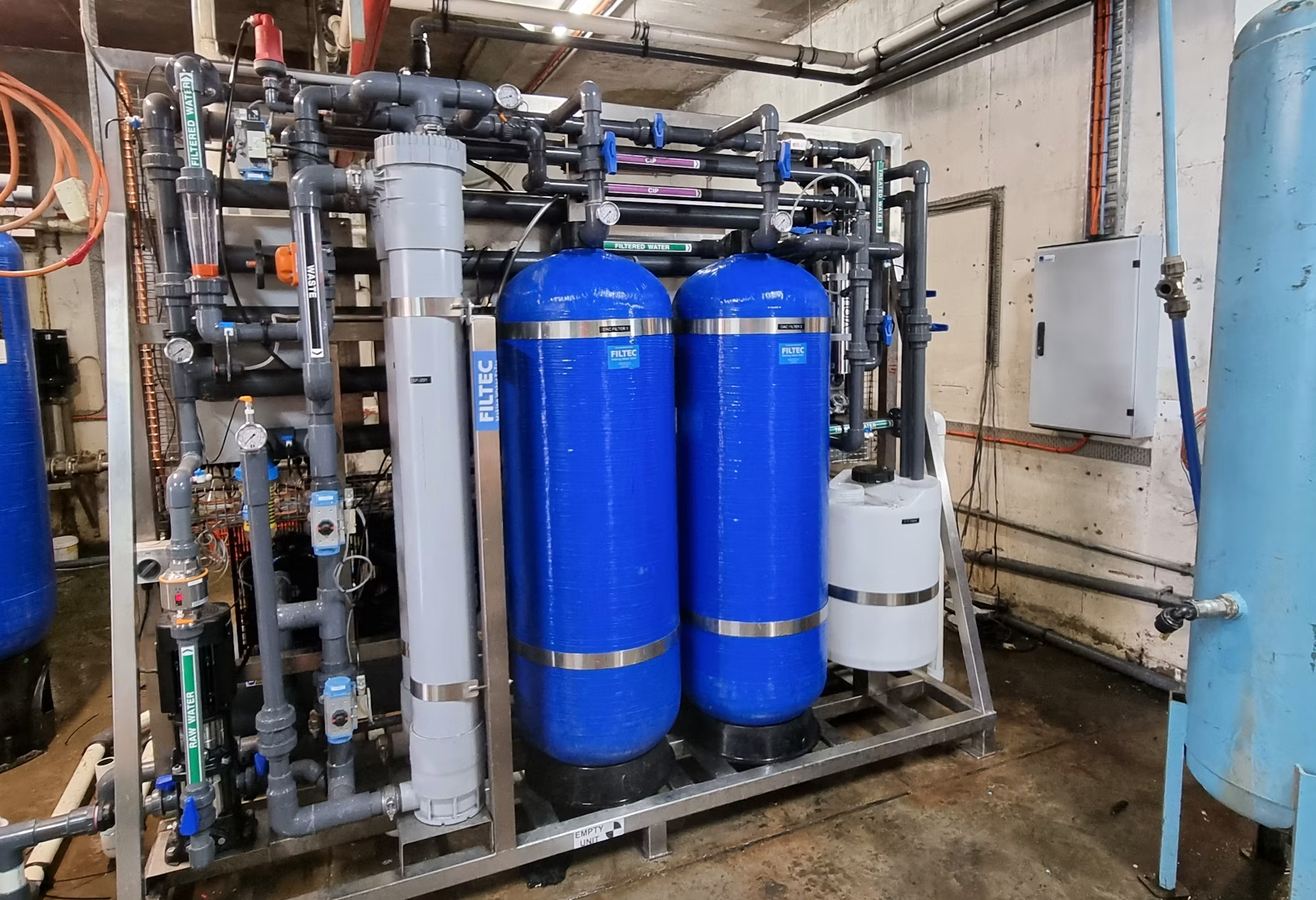
Once the water quality is understood, selecting the right system becomes easier. Some homes may need sediment filters to remove particles, while others benefit from carbon filtration to improve taste and odor. Reverse osmosis can be useful for drinking water when reducing certain dissolved contaminants is a priority. UV treatment may be appropriate where microbiological concerns need to be addressed.
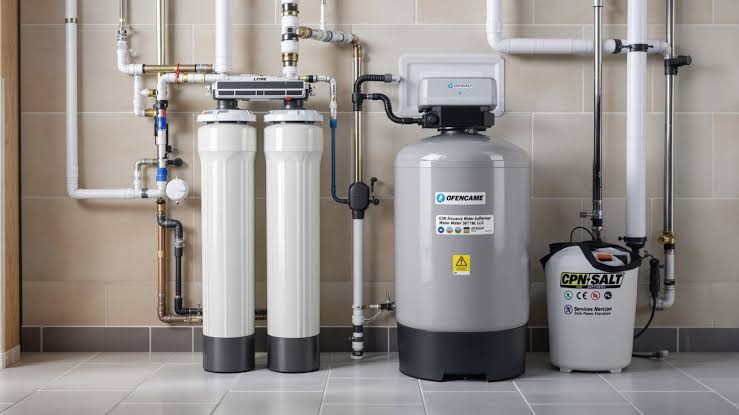
Water softeners are another common option, particularly in homes experiencing mineral buildup. They work differently from standard filtration systems, which is an important distinction when comparing equipment.
A thoughtful water softener comparison should consider more than the purchase price. Homeowners should look at water hardness levels, system capacity, household size, salt consumption, regeneration requirements, installation costs, and long-term maintenance. A compact unit may work perfectly for a smaller household, while a larger family could need a higher-capacity system to keep up with daily demand.
It’s also worth considering warranty coverage, availability of replacement parts, and whether the system is easy to service. These details may not seem exciting when shopping, but they matter after the equipment has been installed.
The Value of Professional Installation and Maintenance
Even good water treatment equipment needs proper installation. Incorrect sizing, poor plumbing connections, or unsuitable placement can affect performance and create unnecessary problems later. Professional installation helps ensure the system is configured for the home’s water conditions and usage.
Maintenance is equally important. Filters need replacement, softeners require periodic checks, and certain systems need cleaning or servicing. Ignoring maintenance can reduce efficiency, affect water flow, and compromise treatment results.
Homeowners should keep a simple record of service dates and replacement schedules. It doesn’t need to be complicated; a note on the phone or calendar reminder is often enough.
Making Water Quality a Lasting Improvement
Improving household water isn’t necessarily a dramatic renovation. Sometimes it begins with a test, a conversation, and a better understanding of what’s coming through the taps. From fewer mineral stains to better-tasting drinking water, the right treatment can make everyday routines more pleasant.
The best approach is to avoid unnecessary equipment, focus on genuine water quality concerns, and choose a system that fits both the home and the budget. With the right information and regular maintenance, better water can become a long-term improvement rather than another temporary fix.
After all, water is part of nearly every moment at home. Making it better is a small investment in comfort that you’ll appreciate every day.