From the journal · 25 November 2026
Fresh Water Straight From the Tap: A Homeowner’s Guide to Reverse Osmosis and Drinking Water Filtration
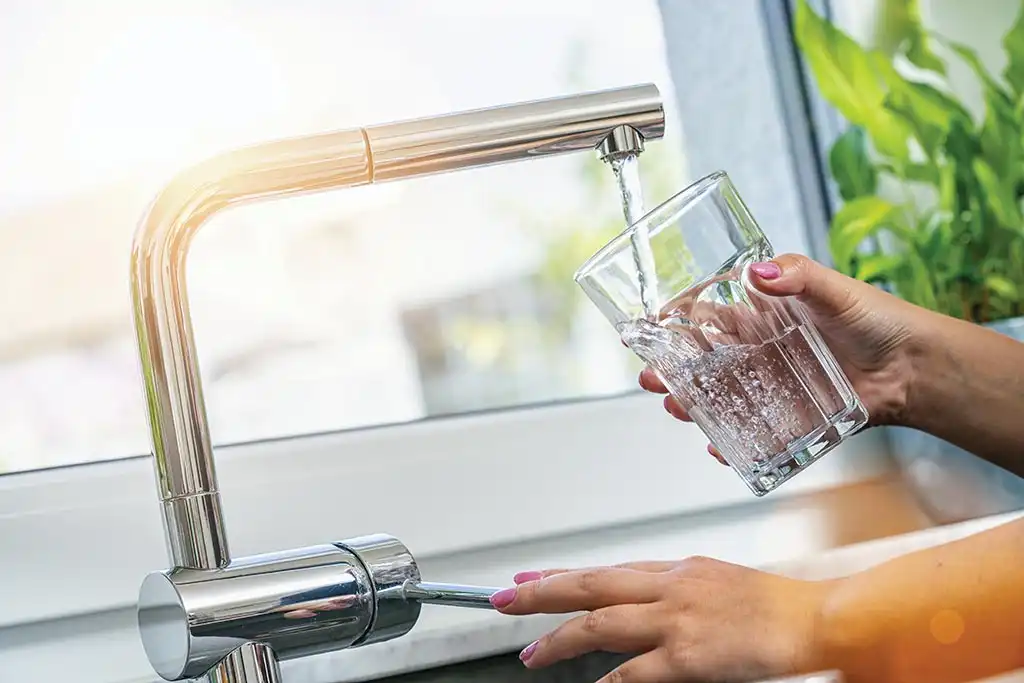
Open the refrigerator in many homes, and you’ll probably find several bottles of drinking water taking up valuable shelf space. Perhaps there’s a filter pitcher sitting beside them, too.
For families who aren’t particularly fond of their tap water’s taste, these arrangements become part of everyday life. They’re convenient enough, although constantly purchasing bottled water or refilling a pitcher can get tiresome.
Related reading: Better Water Begins With Understanding What Your Home Really Needs · A Simple Guide to Better Water: Softening, Filtration, and Cleaner Drinking Water
Wouldn’t it be easier to have appropriately filtered drinking water available whenever you need it?
Modern drinking water treatment equipment offers homeowners several ways to improve water quality without dramatically changing their kitchen or daily routine. The important thing is understanding what these systems accomplish and choosing equipment that genuinely addresses your concerns.
What Makes Reverse Osmosis Different From Ordinary Filtration?
A standard water filter can be useful for reducing certain unwanted substances, but its effectiveness depends on the filtration technology involved.
Unlike ordinary sediment filters, reverse osmosis drinking water systems use pressure to move water through a semipermeable membrane, reducing many dissolved minerals, salts, and selected contaminants.
Most residential installations combine membrane technology with additional filtration stages. Sediment and carbon filters can help protect the membrane, while post-filtration may improve certain taste characteristics.
This combination allows different components to perform complementary functions.
For homeowners, the potential benefits include more pleasant drinking water, reduced dependence on bottled water, and convenient access to treated water for cooking and beverage preparation.
However, reverse osmosis doesn’t automatically remove every contaminant. Performance depends on equipment design, incoming water conditions, membrane condition, and proper maintenance.
It’s always worth checking independently verified contaminant reduction claims before purchasing a particular system.
Exploring a Dedicated Drinking Water Station for Your Kitchen
A drinking water system should fit naturally into your kitchen rather than make an already busy space more complicated.
Homeowners considering the Kinetico K5 drinking water station can discuss suitable configurations, filtration capabilities, installation requirements, and ongoing maintenance with an authorized dealer.
Rather than concentrating exclusively on brand recognition, think about how your household actually uses drinking water.
Do you regularly fill reusable bottles before leaving for work? Perhaps you prepare several cups of tea throughout the afternoon or frequently cook meals that require filtered water.
These everyday habits influence the type of equipment that makes sense for your family.
Before selecting a drinking water station, consider several practical questions:
- How much treated drinking water does your household need?
- Which specific contaminants can the selected configuration reduce?
- Is there sufficient installation space beneath the kitchen sink?
- How frequently will replacement filters be required?
- What are the anticipated servicing and ownership costs?
It’s also worthwhile asking about treated water delivery rates and storage arrangements.
Nobody particularly enjoys waiting for a glass of water when they’re already running late in the morning.
Finding Filtration That Matches Your Water Quality Concerns
Not every homeowner needs an elaborate treatment arrangement. Sometimes, a straightforward carbon filter provides the improvement a household is looking for.
Choosing suitable residential drinking water filtration begins with understanding your existing water conditions and identifying what you would like to improve.
Activated carbon filtration can help reduce selected unwanted tastes, odors, and compounds. Sediment filters capture suspended particles, while membrane-based treatment addresses many dissolved substances that ordinary filtration may not effectively reduce.
The differences matter.
For example, purchasing a sediment filter won’t necessarily resolve a concern involving dissolved salts. Likewise, installing a water softener doesn’t automatically address specific drinking water contaminants.
Municipal water customers can review their utility’s water quality reports and arrange additional testing when appropriate.
Private well owners should consider suitable laboratory testing for bacteria, nitrates, and other potentially harmful contaminants according to public health recommendations.
Clear, pleasant-tasting water isn’t necessarily free from health-related contaminants. Reliable testing provides a much stronger foundation for treatment decisions than appearance alone.
Better Drinking Water Can Change Small Everyday Habits
One appealing aspect of having a dedicated drinking water system is the convenience it brings to ordinary activities.
Filling a reusable bottle before heading to work becomes easier. Preparing homemade lemonade, cooking rice, or brewing your favorite coffee doesn’t require opening another plastic bottle.
For households that regularly purchase bottled water, using an appropriately maintained filtration system may also help reduce packaging waste.
Taste is another consideration, although preferences vary considerably. Some people prefer water with fewer dissolved minerals, while others enjoy a more mineral-rich flavor.
Certain treatment arrangements allow for remineralization where desired.
It’s about finding water that suits your preferences while meeting appropriate quality requirements.
Think About Maintenance Before Installing Your System
Drinking water treatment equipment requires regular attention to maintain its intended performance.
Filters gradually reach the end of their useful capacity, membranes may require replacement, and storage components may need periodic sanitation.
Follow the manufacturer’s servicing recommendations and investigate unexpected changes in water taste, flow, or treatment performance.
Reverse osmosis also produces a concentrate stream, so ask about water efficiency and drainage requirements before installation.
Understanding these responsibilities beforehand makes equipment ownership considerably more manageable.
Make Fresh-Tasting Water an Everyday Convenience
Improving your drinking water doesn’t have to mean buying the most expensive equipment available. Begin with reliable water testing, explore appropriate technologies, and seek knowledgeable professional guidance.
Perhaps you’ll spend less time carrying bottled water home from the grocery store. Maybe your morning coffee will taste a little more enjoyable, or you’ll simply appreciate filling a glass whenever you’re thirsty.
These are modest conveniences, but they matter.
When drinking water treatment fits comfortably into your household routine, it becomes something you appreciate without having to think about it constantly. And that’s exactly what a thoughtfully chosen home improvement should accomplish.